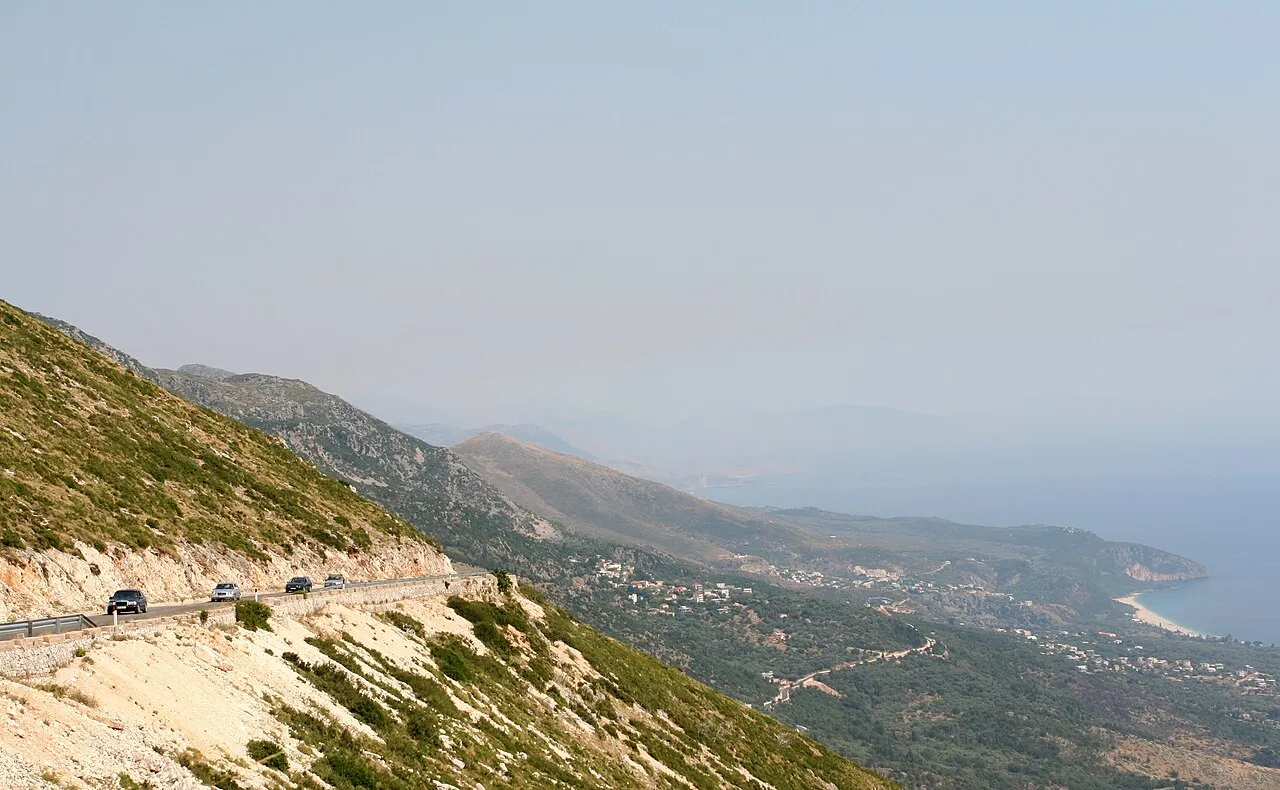
An open road in Albania

2026-07-02 · 5 min read

Driving in Albania: What First-Time Visitors Need to Know

Albania has a reputation for difficult driving that is a decade or two out of date. The motorways and main roads are modern, signposting on the primary network is clear, and most visitors settle in within a day.

That said, it is not identical to driving in western Europe, and knowing what is different beforehand makes the first day much easier.

The basics

Albania drives on the right and overtakes on the left. Seatbelts are compulsory front and rear, dipped headlights are expected outside built-up areas, and there is a strict approach to drink driving — treat it as zero tolerance. Holding a phone while driving is prohibited.

Speed limits are signposted and differ between urban streets, rural roads and the motorway. Follow the signs rather than assuming a default, and expect speed checks on the main routes.

What the roads are actually like

There are three tiers, and the difference between them is large.

  • Motorways and main corridors — Rinas to Tirana, Tirana to Durrës, the road south to Fier and Vlorë, the SH1 north to Shkodër. Modern, fast and easy.
  • Secondary roads — generally fine, but expect the surface to change without warning and the occasional unmarked works.
  • Mountain and village roads — narrow, steep, sometimes without barriers. Perfectly drivable in daylight at a sensible speed; unpleasant at night or in a hurry.

Local driving habits

Albanian drivers are assertive rather than aggressive. Overtaking happens with less margin than you may be used to, lane discipline in towns is loose, and the horn is used as a signal rather than a complaint — a short beep on a blind mountain bend means "I am here", not "get out of the way".

Watch for pedestrians stepping out in towns, scooters filtering through traffic, and the occasional livestock on rural roads. Leaving a bigger gap than usual solves most of it.

Fuel, tolls and parking

Fuel stations are frequent along the main corridors and in towns, and many are attended. They become sparse on mountain routes and on the quieter stretches of the Riviera, so fill up before leaving a main road.

Most of the network is toll-free; the Milot-Morinë road towards Kosovo is the main exception. In city centres, parking is a mix of paid street bays and private car parks — in central Tirana a car park is usually the simpler option.

Documents

Keep your driving licence, passport or ID and the vehicle documents with you in the car — roadside checks are routine and quick. If your licence is not in the Latin alphabet, an International Driving Permit alongside it avoids any discussion. Check your own country's travel advice before you go; the overview of transport in Albania is a useful starting point for background.

Ready to drive?

Once you are comfortable with the above, Albania is a genuinely rewarding country to drive. Browse the fleet, see where you can pick up across Albania, or start with our Tirana Airport guide.